linguistics

The definition of linguistics is the scientific study of language.

(noun)

The study of the English language is an example of linguistics.

YourDictionary definition and usage example. Copyright © 2013 by LoveToKnow Corp.

See linguistics in Webster's New World College Dictionary

noun

  1. the science of language, including phonetics, phonology, morphology, syntax, and semantics: sometimes subdivided into descriptive, historical, comparative, theoretical, and geographical linguistics
  2. the study of the structure, development, etc. of a particular language and its relationship to other languages: English linguistics

Origin: < linguistic

See linguistics in American Heritage Dictionary 4

noun (used with a sing. verb)
The study of the nature, structure, and variation of language, including phonetics, phonology, morphology, syntax, semantics, sociolinguistics, and pragmatics.

See linguistics in Ologies

Linguistics

See also grammar; language; pronunciation; speech.

betacism

1. excessive use of the sound b.

2. improper articulation of this sound. —betacist, n.

biolinguistics

the study of the relations between physiology and speech. —biolinguist, n.

cherology

the description and analysis of the distinctive units used in the sign language of the deaf. —cherologist, n. —cherologic, cherological, adj.

diachrony

the study and description of the change or development in the structural systems of a language over a stated period of time. Also called historical linguistics. Cf. synchronic linguistics. —diachronic, adj.

dialect

a variety of a language peculiar to a particular region or group within a larger community, usually but not always existing in the spoken form only. —dialectal, adj.

dialect geography

the study of dialects with regard to their geographic distribution, as well as how their distribution may be affected by geography, e.g., the spread of a particular dialect being halted at a mountain range, forest belt, body of water, etc.

dialectology

1. the study of dialects and dialect features.

2. the linguistic features of a dialect. —dialectician, dialectologist, n. —dialectologie, dialectological, adj.

echoism

1. the formation of sounds like those in nature; onomatopoesis.

2. the tendency of paired sounds to become more similar phonetically, as the d sound in iced tea which has become a t; assimilation. —echoic, adj.

etymology

the study of the origin and history of individual words. —etymologist, n. —etymological, adj.

folk etymology

the reanalysis of a word by native speakers into a new element or elements, e.g. hamburger (properly ‘from Hamburg’) being split into ham- and -burger; and the subsequent combination of -burger with a number of words in which it is used to mean ‘ground patty.’

gammacism, gammacismus

the inability to pronounce the soft palatal consonants such as g and k.

geolinguistics

the study or science of linguistics in relation to geography. —geolinguist, n. —geolinguistic, adj.

glossematics

the science or study of glossemes, the smallest unit of linguistic communication. —glossematic, adj.

glossologist

Archaic.

1. a linguist; a philologist.

2. one who compiles glossaries.

glossology

Archaic.

linguistics.

glottochronology

a statistical and lexical study of two languages deriving from a common source to determine the time of their divergence, as English and German. Cf. lexicostatistics. —glottochronologist, n. —glottochronological, adj.

glottology

the science of linguistics.

grammar

1. the study of the formal system of a language, especially the aspects of sound, forms, and syntax.

2. a work detailing such an analysis. —grammarian, n. —grammatic, grammatical, adj.

graphemics

the study of systems of writing and their relationship to the systems of the languages they represent. Also called graphonomy. —graphemic, adj.

hybridism

1. a word formed from elements drawn from different languages.

2. the practice of coining such words. —hybrid, n., adj.

idiolect

a person’s individual speech habits.

lallation

Phonetics.

1. the replacement of l for r in speech.

2. the mispronunciation of l. Cf. lambdacism.

lambdacism

Phonetics.

the mispronunciation of double l, giving it the sound of y or ly.

2. Cf. rhotacism. substitution of the sound l for another sound, as that of r. Also labdacism. Cf. lallation.

lexicography

the writing, editing, or compiling of dictionaries. —lexicographer, n. —lexicographic, lexicographical, adj.

lexicology

the study of the meanings of words and of idiomatic combinations. —lexicologist, n. —lexicologic, lexicological, adj.

lexicostatistics

the study of languages and their vocabularies by statistical methods for historical purposes. Cf. glottochronology. —lexicostatistic, lexicostatistical, adj.

lexigraphy

Rare. the art of defining words or compiling lexicons. —lexigraphic, adj.

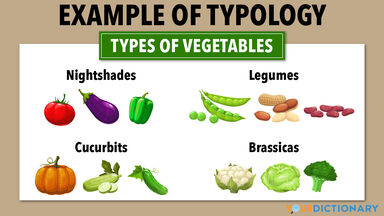
linguistic typology

the classification of languages by structural similarity, e.g., similarity of syntactic or phonemic features, as opposed to classification on the basis of shared linguistic ancestry.

metalinguistics

the science or study of language in relation to its cultural context. —metalinguist, n. —metalinguistic, metalinguistical, adj.

morphemics

the study and description of the morphemes of a language, i.e., its minimum grammatical units, as wait and -ed in waited. —morphemicist, n.

morphology

1. a branch of linguistics that studies and describes patterns of word formation, including inflection, derivation, and compounding of a language.

2. such patterns of a particular language. —morphologist, n. —morphological, adj.

morphophonemics

1. the study of the relations between morphemes and their phonetic realizations, components, or distribution contexts.

2. the body of data concerning these relations in a specific language. —morphophonemicist, n. —morphophonemic, adj.

nasalism

a tendency toward nasality in pronouncing words. Also nasality.

onomasiology

onomastics. —onomasiologist, n. —onomasiologic, onomasiological, adj.

onomastics

the study of names and their origins. —onomastic, adj. —onomastician, n.

orthoepy

the study of correct pronunciation. —orthoepist, n. —orthoepic, orthoepical, orthoepistic, adj.

paronymy

the state or condition of containing the same root or stem, as perilous and parlous. —paronym, n.

philology

1. the study of written records to determine their authenticity, original form, and meaning.

2. linguistics, especially historical linguistics. —philologist, philologer, n. —philologic, philological, adj.

phonematics

phonemics.

phonemics

1. the study and description of phonemes, i.e., the set of basic units of sound used in a language and phonemic systems.

2. the phonemic system of a given language. Also phonematics. —phonemicist, n.

phonetics

1. the science or study of speech sounds and their production, transmission, and perception, and their analysis, classification, and transcription.

2. the science or study of speech sounds with respect to their role in distinguishing meanings among words.

3. the phonetic system of a particular language. Cf. phonology. —phonetician, n. —phonetic, phonetical, adj.

phonology

1. the study of the history and theory of sound changes in a language or in two or more languages comparatively.

2. the phonetics and phonemics of a language at a stated time; synchronic phonology. —phonologist, n. —phonological, adj.

psycholinguistics

the study of the relationships between language and the behavioral mechanisms of its users, especially in language learning by children. —psycholinguist, n. —psycholinguistic, adj.

rhotacism

Phonetics.

1. a misarticulation of the sound r or the substitution of another sound for it.

2. Cf. lambdacism. substitution of the sound sound r for another sound, as that of l.

2. the excessive use of the sound r.

3. Phonology. replacement of the sound z or s by r in Indo-European languages, as German wesen, English were. —rhotacize, v. —rhotacistic, adj.

semantics

1. the study of the meaning of words.

2. the study of linguistic development by examining and classifying changes in meaning. Also called semasiology, sematology, semology. —semanticist, n. —semantic, adj.

semasiology

semantics.

semeiology, semiology

the study or science of signs; semantics. —semeiologist, semiologist, n. —semeiologic, semiologic, semeiological, semiological, adj.

semiotics, semiotic

the study of the relationship between symbology and language. —semiotician, semioticist, n.

sigmatism

a faulty pronunciation of sibilant sounds.

structuralism

an emphasis in research and description upon the systematic relations of formal distinctions in a given language. Also called structural linguistics. —structuralist, n.

synchronic linguistics

the study of the phonological, morphological, and syntactic features of a language at a stated time. Also called descriptive linguistics. Cf. diachronism.

syntax

the study of the principles by which words are used in phrases and sentences to construct meaningful combinations. —syntactic, syntactical, adj.

tagmemics

the study of the tagmemes of a language, i.e., the minimal units of grammatical construction, embodying such phenomena as distinctive word order and grammatical agreement. —tagmemic, adj.

tonetics

the phonetic study and science of the tonal aspects of language. —tonetician, n. —tonetic, adj.

transformationalist

an advocate or student of the theory of transformational grammar, a system of grammatical analysis that uses transformations of base sentences to explain the relations between thought and its syntactic manifestation and to express the relations between elements in a sentence, clause, or phrase, or between different forms of a word or phrase, as active or passive forms of a verb.

vocalism

Phonetics. the system of vowels in a given language. —vocalic, adj.

Learn more about linguistics

Related Articles

link/cite print suggestion box