Dis Definition
dĭs
dissed, disses, dissing
verb
To show disrespect for; insult.
Webster's New World
To express strong disapproval of; condemn.
Webster's New World
noun
The god of the lower world; Pluto.
Webster's New World
The lower world; Hades.
Webster's New World
The underworld.
American Heritage
Plural form of DI.
Wiktionary
Synonyms:
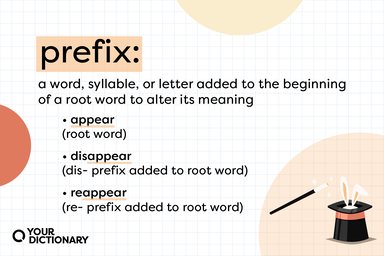
prefix
Not.
Dissimilar.
American Heritage
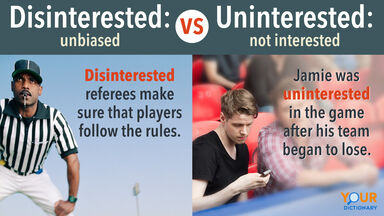
Absence of.
Disinterest.
American Heritage
Opposite of.
Disfavor.
American Heritage
Undo; do the opposite of.
Disarrange.
American Heritage
Deprive of.
Disfranchise.
American Heritage
abbreviation
Discount.
Webster's New World
Distance.
Webster's New World
affix
Away, apart.
Dismiss, disperse.
Webster's New World
To deprive of, expel from.
Disfrock, disbar.
Webster's New World
To cause to be the opposite of.
Disable.
Webster's New World
To fail, cease, refuse to.
Dissatisfy, disappear, disallow.
Webster's New World
To do the opposite of.
Disjoin, disintegrate.
Webster's New World
Other Word Forms of Dis
Noun
Singular:
disPlural:
disirOrigin of Dis
-
Latin Dīs from variant of dīves wealthy (from the belief that the underworld was the source of wealth from the ground) dyeu- in Indo-European roots
From American Heritage Dictionary of the English Language, 5th Edition
Middle English from Old French des- from Latin dis- apart, asunder
From American Heritage Dictionary of the English Language, 5th Edition
African American Vernacular English short for disrespect
From American Heritage Dictionary of the English Language, 5th Edition
Related Articles



Find Similar Words
Find similar words to dis using the buttons below.