Manganese Definition
mănggə-nēz, -nēs
noun
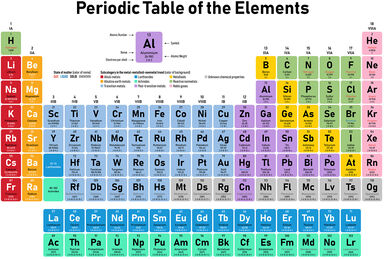
A grayish-white, metallic chemical element, usually hard and brittle, which rusts like iron but is not magnetic: it is used in the manufacture of alloys of iron, aluminum, and copper: symbol, Mn; at. no. 25
Webster's New World
Synonyms:
- atomic number 25
- mn
Other Word Forms of Manganese
Noun
Singular:
manganesePlural:
manganesesOrigin of Manganese
-
French manganèse, from Italian manganese, by alteration from Latin magnesia (“magnesia"), from Ancient Greek μαγνησία (magnÄ“sia), after Μαγνησία (MagnÄ“sia, “Magnesia").
From Wiktionary
-
French manganèse from Italian manganese from Medieval Latin magnēsia mineral ingredient of the philosophers' stone magnesia
From American Heritage Dictionary of the English Language, 5th Edition
Related Articles
Find Similar Words
Find similar words to manganese using the buttons below.