mandarinism

Variant of mandarin

noun

  1. in the Chinese empire, a member of any of the nine ranks of high officials, each rank distinguished by a characteristic jeweled button worn on the cap
  2. a member of any elite group; leading intellectual, political figure, etc., sometimes one who is pompous, arbitrary, etc.
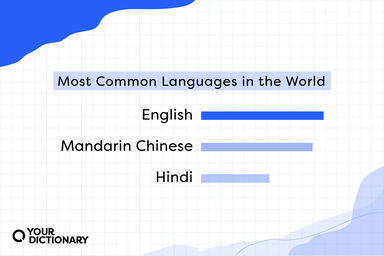
  3. the most widely spoken language of China, comprising a northern, an eastern, and a southwestern variety
    1. a small, sweet orange with loose rind
    2. the orange tree (Citrus reticulata) on which it grows
  4. a deep-orange color

Origin: Port mandarim, altered (infl. by mandar, to command < L mandare: see mandate) < Hindi mantrī, minister of state < Sans mantrin, counselor < mantár-, thinker < IE base *men-, to think > mind, Gr mentór, Sans mantra

adjective

  1. designating or of a Chinese style of dress, esp. a narrow, closefitting, stand-up collar parted in the front
  2. characterized by a highly formal, self-conscious, and subtle use of language

Related Forms:

Webster's New World College Dictionary Copyright © 2010 by Wiley Publishing, Inc., Cleveland, Ohio.
Used by arrangement with John Wiley & Sons, Inc.
link/cite print suggestion box