immunize Hear it!

immunize Definition

im·mu·nize (imyo̵̅o̅ nīz′, -yə-)

transitive verb -·nized′, -·niz′·ing

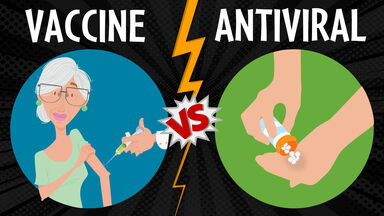
to give immunity to, as by inoculation

immunize Related Forms
im′·mu·ni·za·tion noun
immunize Usage Examples

Object

  • mouse: Neonate mice passively immunized by suckling from mice fed transgenic potatoes had less diarrhea than neonates unexposed to the vaccine [ 14 ] .
  • child: Twenty years of warfare have hampered attempts to immunize all Afghan children against the disease.
  • million: Warring factions fighting in northern Afghanistan twice held temporary cease-fires last year to allow the United Nations to immunize millions of children.
  • people: Conceivably, you could immunize people against Alzheimer's disease.
  • patient: Schenk summarized the situation, saying the purpose of the drug was to immunize patients against the accumulation of the amyloid plaques.
  • year: Simulations suggested that at least 40 % of healthy badgers need to be immunized each year to eradicate TB in the badger.

Preposition: with

  • peptide: Antibodies against rabies and HIV were expressed in mice immunized with the antigenic peptides [ 17 ] .

Preposition: against

  • virus: Science has eradicated smallpox, can immunize against most previously deadly viruses, can kill most previously deadly bacteria.
  • tetanus: All workers should be advised to be immunized against tetanus.
  • disease: Half the children would be immunized against the preventable infectious diseases such as measles and polio.

Modifying Another Word

  • fully: In the 1970s, only 5 percent of the world's children could expect to be fully immunized.
  • successfully: A booster dose in those successfully immunized in the past.
  • previously: Previously immunized mares should receive a booster one month before foaling to ensure colostral antibody protection against tetanus in the newborn foal.