Synecdoche Definition
sĭ-nĕkdə-kē
synecdoches
noun
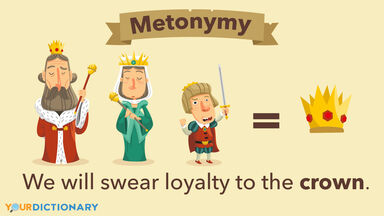
A figure of speech in which a part is used for a whole, an individual for a class, a material for a thing, or the reverse of any of these (Ex.: bread for food, the army for a soldier, or copper for a penny)
Webster's New World
(rhetoric) A figure of speech that uses the name of a part of something to represent the whole.
Wiktionary
(rhetoric) The use of this figure of speech; synecdochy.
Wiktionary
Other Word Forms of Synecdoche
Noun
Singular:
synecdochePlural:
synecdochesOrigin of Synecdoche
-
Middle English synodoches from Medieval Latin synodoche alteration of Latin synecdochē from Greek sunekdokhē from sunekdekhesthai to take on a share of sun- syn- ekdekhesthai to understand (ek- out of eghs in Indo-European roots) (dekhesthai to take dek- in Indo-European roots)
From American Heritage Dictionary of the English Language, 5th Edition
-
From Latin synecdoche, from Ancient Greek συνεκδοχή (sunekdokhe, “receiving together").
From Wiktionary



Find Similar Words
Find similar words to synecdoche using the buttons below.