noun
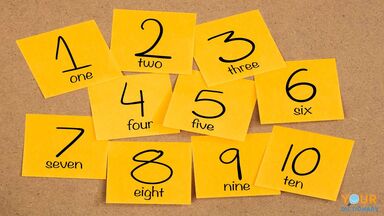
- a symbol or word, or a group of either of these, showing how many or which one in a series: 1, 2, 10, 101 (one, two, ten, one hundred and one) are called cardinal numbers; 1st, 2d, 10th, 101st (first, second, tenth, one hundred and first) are called ordinal numbers
- arithmetic
- the sum or total of persons or units; aggregate
- a collection of persons or things; company; assemblage: a small number of people
- a large group; many: cut down numbers of trees
- numerical superiority: safety in numbers
- ☆ statistics, ratings, etc.: the pitcher's salary will be based on last year's numbers
- quantity, as consisting of units: a number of errors
- one of a series or group that is numbered or thought of as numbered; specif.,
- a single issue of a periodical: the winter number of a quarterly
- a single song, dance, skit, etc. in a program of entertainment
- ☆ Slang a pattern of behavior or thought, esp. one characteristic of a particular individual, group, etc.
- Informal a person or thing singled out: this hat is a smart number
- Gram.
- a characteristic, as of nouns and verbs, indicating whether a given utterance involves reference to one or more than one entity, or, in some languages, to exactly two; also, an analytic category based on this characteristic
- the form a word takes to indicate this characteristic
- any of the sets of such forms
- Obsolete
- metrical form; meter
- metrical lines; verses
Origin:
ME nombre < OE < L numerus: see -nomy
transitive verb
- to total the number of persons or things in; count; enumerate
- to give a number to; designate by number
- to include as one of a group, class, or category: numbered among the missing
- to fix or limit the number or the duration of: his days are numbered
- to have or comprise; total: a library numbering 10,000 volumes
Origin:
ME nombren < OFr nombrer < L numerare, to count < numerus